
AI and Education
Initiative
Faculty Affiliates

Naomi Caselli
Director
Caselli's research focuses on how access to language shapes learning and development for deaf children, and the ethical development of sign language technologies.

Michael Chang
Associate Director of Collaborative & Responsible Design
Chang is a learning scientist and computer scientist who envisions AI-supported possibilities for teaching and learning that go outside the dominant, status quo instructional practices of schooling. He builds on ethical, relational, and speculative approaches to participatory design and closely partners with students, their families, and their teachers.
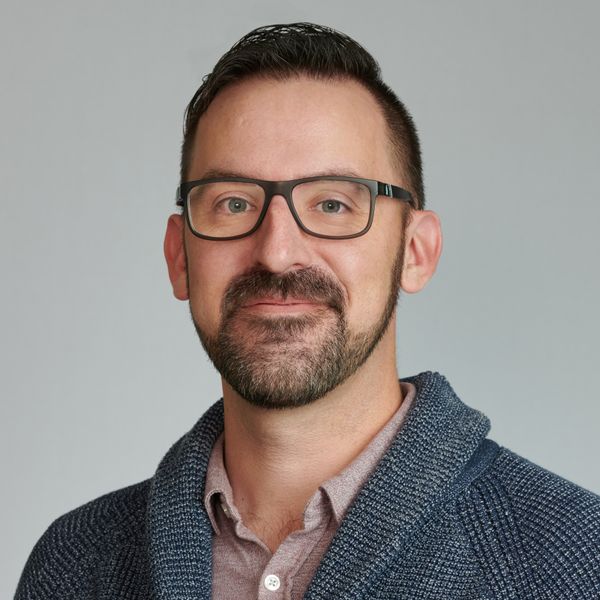
TJ McKenna
Associate Director of Educator Engagement and Impact, Director of the AI and Education Programs
McKenna is Program Director for AI & Education at BU Wheelock. His research focuses on AI, pedagogy, and scalable teacher learning, including deterministic AI tools for instructional coaching and AI-mediated professional development.
.png)
Eshed Ohn-Bar
Associate Director of AI Research and Innovation
Ohn-Bar’s research focuses on AI, machine learning, and human-centered technologies, with applications for learning and education. His work explores how intelligent systems can better understand human behavior and support more effective, accessible, and responsive educational tools.

Ola Ozernov Palchik
Associate Director of Translational Research
Ozernov-Palchik’s multidisciplinary research focuses on the cognitive neuroscience of language and literacy, with an emphasis on translational work that advances learning, equity, and AI-powered literacy tools.

Zachary Rossetti
Rossetti’s research focuses on inclusive education, language access, and family-professional partnerships for students with intellectual and developmental disabilities. His AI-related work explores how generative AI can support culturally responsive translation and improve language access for culturally and linguistically diverse families navigating special education.

Kathy MinHye Kim
Kim's research spans inclusive practices in web-based experimentation, NLP-supported assessment, and the pedagogical potential of generative AI for Korean pragmatics. Her work also examines equity in quantitative research and the construct validity of (psycho)linguistic measures. She is a recipient of the AI and Education Faculty Research Grant.
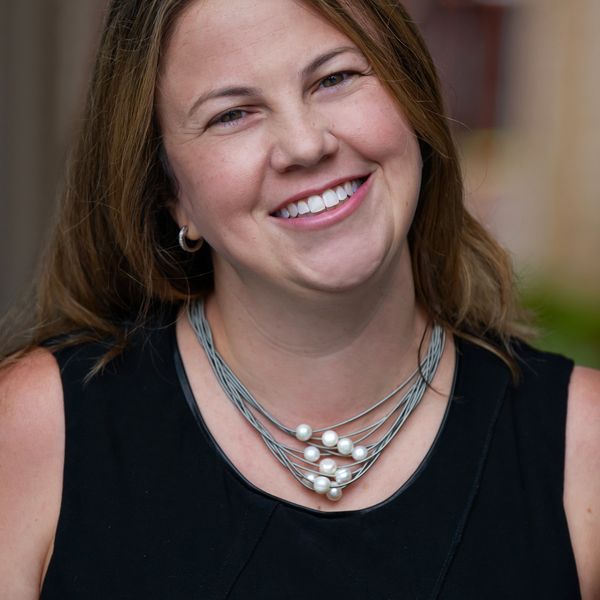
Meghan Shaughnessy
Shaughnessy's research focuses on understanding and developing more equitable elementary mathematics teaching with attention to teaching practices such as eliciting student thinking and leading discussions that surface, leverage, and develop students’ reasoning and sense-making. AI is a tool for developing teachers’ capacities to engage in such work.
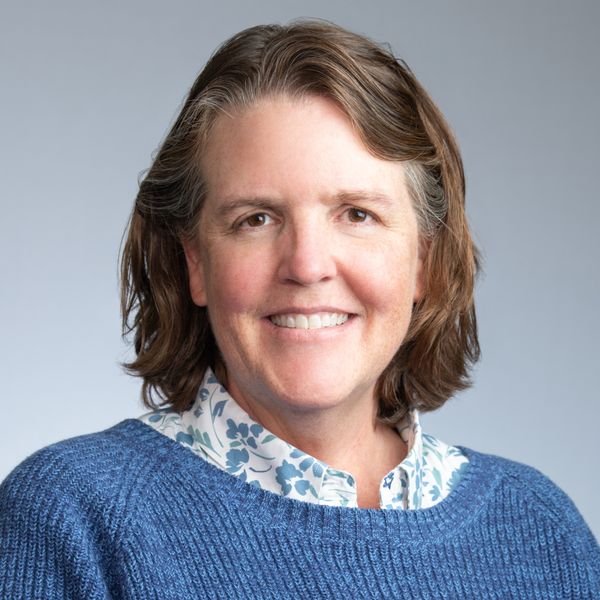
Leslie Dietiker
Dietiker’s research focuses on mathematics education, teacher planning, and the use of curriculum materials. Her AI-related work explores how ChatGPT can support high school mathematics teachers in designing inquiry-based, student-centered lessons.
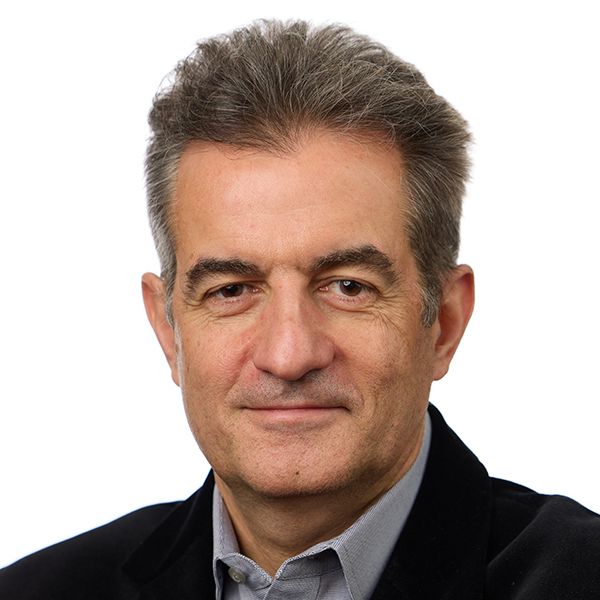
Yannis Paschalidis
Director, Rafik B. Hariri Institute for Computing and Computational Science and Engineering
Paschalidis’ current research interests lie in the fields of robust machine learning, trustworthy AI, computational medicine, computational biology, and autonomous systems. He develops domain-adapted AI models for research and educational purposes.
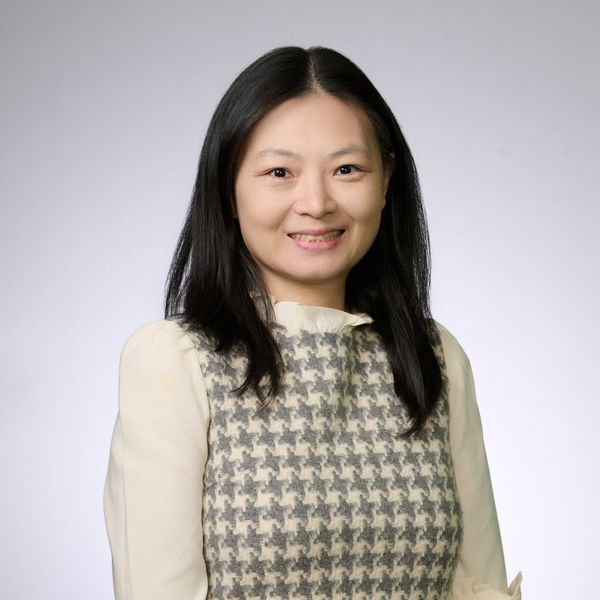
Sen Wang
Wang studies how children’s interactions with their social and physical environments shape language and literacy development. AI, as a new social and symbolic presence, is central to that work. Dr. Wang is interested in how AI shapes children’s interaction and, in turn, language, thinking, and learning, and in tools that strengthen adult-child interaction.
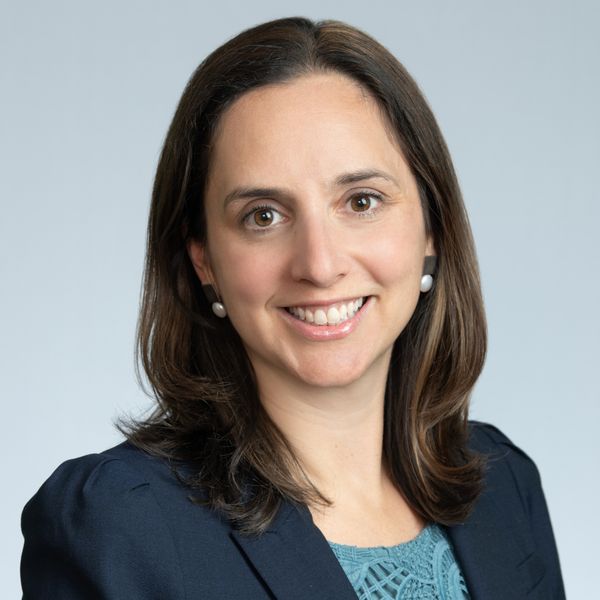
Jennifer Greif Green
Greif Green’s research focuses on student mental health, well-being, and school-based supports. Her work examines how educators identify students’ mental health needs, how schools can reduce disparities in service access, and how prevention programs can support safer, healthier learning environments.
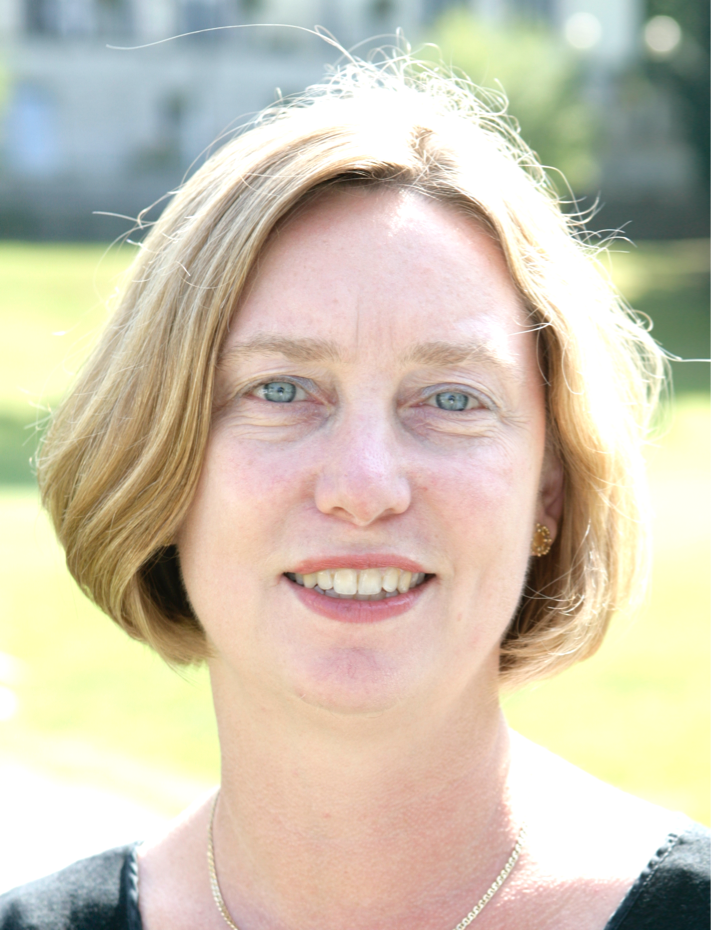
Juliet Floyd
Floyd works on the philosophy of logic and mathematics in historical perspective and am interested in the impact of AI on research in mathematics, including mathematics education.

Aaron Brakoniecki
Brakoniecki studies how technology shapes math teaching and teacher knowledge, focusing on how educators use digital tools, online resources, and data-informed strategies. His work informs AI in education by exploring how technology can enhance teaching practices and student learning.

Joshua Goodman
Goodman works on the economics of education policy, applying causal inference methods to large quantitative data sets to provide rigorous evidence on the impacts of education policies. He is also interested in evaluating the increasing prevalence of screens (tablets, laptops) in K-12 classrooms.

Pary Fassihi
Fassihi is a Master Lecturer in Boston University’s CAS Writing Program whose work focuses on generative AI, digital media, writing, and digital pedagogy. She has served on the Provost's AI Task Force, designed BU’s first AI literacy writing course, teaches AI-intensive writing courses exploring AI ethics, bias and runs faculty workshops.
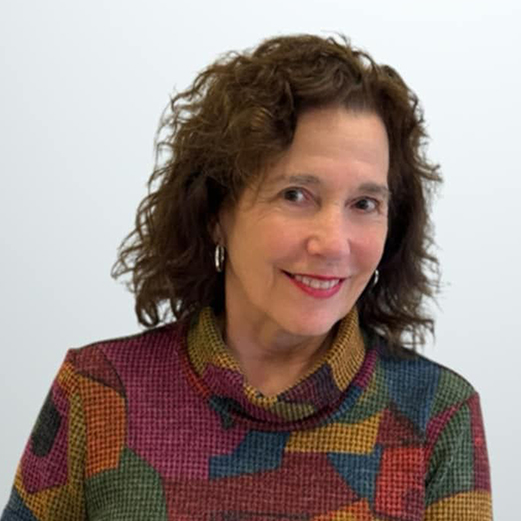
Karen Jacobs
Jacobs examines feasibility of the use of AI and traditional occupational therapy intervention for children with developmental challenges, lectures on AI integration globally, holds a leadership role with the International Ergonomics Association's Technical Committee on AI and an advisor to an AI company.

Nancy J. Nelson
Nelson's work focuses on responsible, ethical use of innovative education technologies, including AI, to enhance teaching and learning through improved precision in assessment, instruction, and data-based decision making in school systems.
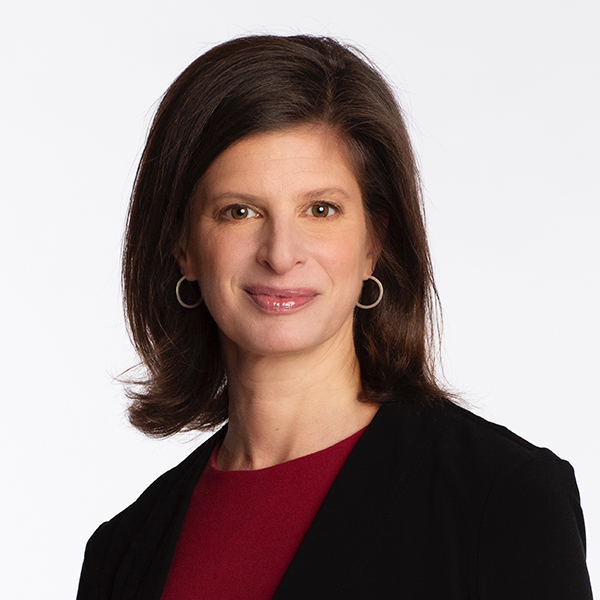
Emily Rothman
In her capacity as Associate Dean for Strategic Initiatives at Sargent College, Dr. Rothman is working with faculty, alumni and community members to develop educational programming for graduate students in rehabilitation and health sciences on AI.

Yasuko Kanno
Kanno is a professor of language education specializing in immigrant English learners' access to postsecondary education. An ethnographer by training, she currently explores how AI shapes the authorial voice of experienced multilingual writers through duo-autoethnography.